
Walnut vs. Maple vs. Cherry: Best Woods for Live Edge Wood Dining Tables in Colorado Homes

Choosing the right wood species is one of the most important decisions when investing in live edge wood dining tables. In Colorado homes, where dry air, seasonal shifts, and abundant natural light all play a role, wood choice affects not only appearance but also long-term performance.
At Colorado Wood & Metal, each table begins with carefully selected, kiln-dried slabs that showcase natural grain, durability, and character. Walnut, maple, and cherry are three of the most popular options for live edge wood dining tables, each offering a distinct look and feel depending on how you use your space.
This material comparison breaks down how each species performs and why locally sourced slabs matter.
Why Wood Species Matters for Live Edge Wood Dining Tables
Unlike factory furniture, live edge wood dining tables are crafted from solid slabs that preserve the natural edge of the tree. That organic form means the wood’s density, hardness, and moisture stability matter just as much as color.
Colorado’s climate can be demanding on solid wood furniture. Proper kiln drying and slab preparation are essential to prevent excessive movement over time. Selecting the right species helps ensure your live edge wood dining tables remain stable, functional, and beautiful for years.
Colorado Wood & Metal works closely with each slab from milling through fabrication, ensuring every table is built for real Colorado living.
Walnut: Bold Grain and Rich Character
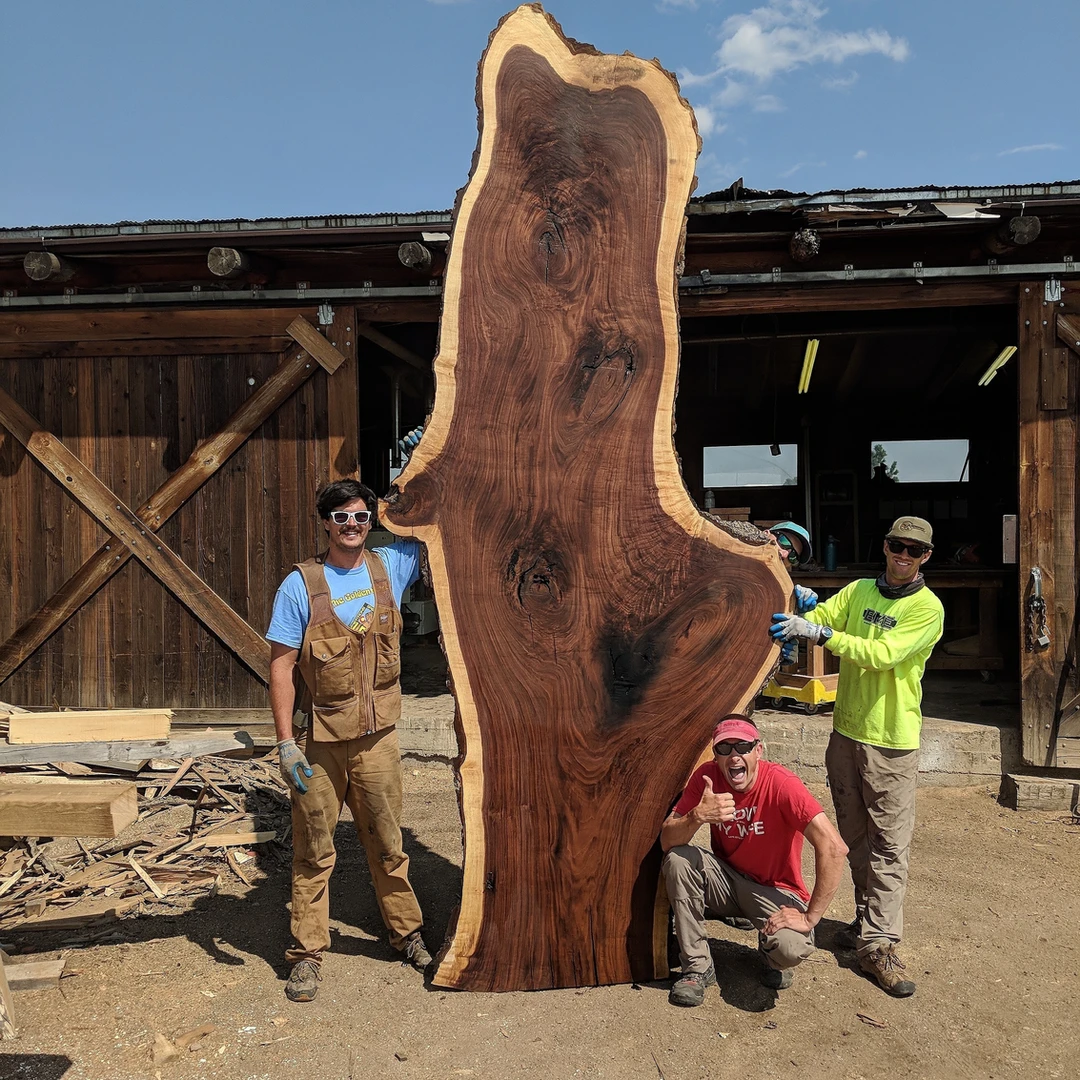
Black walnut is one of the most sought-after woods for live edge wood dining tables, prized for its deep brown tones and striking grain patterns. Walnut naturally brings warmth and sophistication, making it ideal for statement dining spaces.
Walnut offers a strong balance of durability and workability. When properly kiln dried and finished, it performs exceptionally well in Colorado homes.
Why walnut is a favorite
- Rich, dark color that adds depth to open spaces
- Dramatic grain variation that highlights the live edge
- Complements modern, rustic, and industrial interiors
Walnut slabs are often chosen when live edge wood dining tables are meant to anchor the room visually.
Maple: Clean, Bright, and Highly Durable
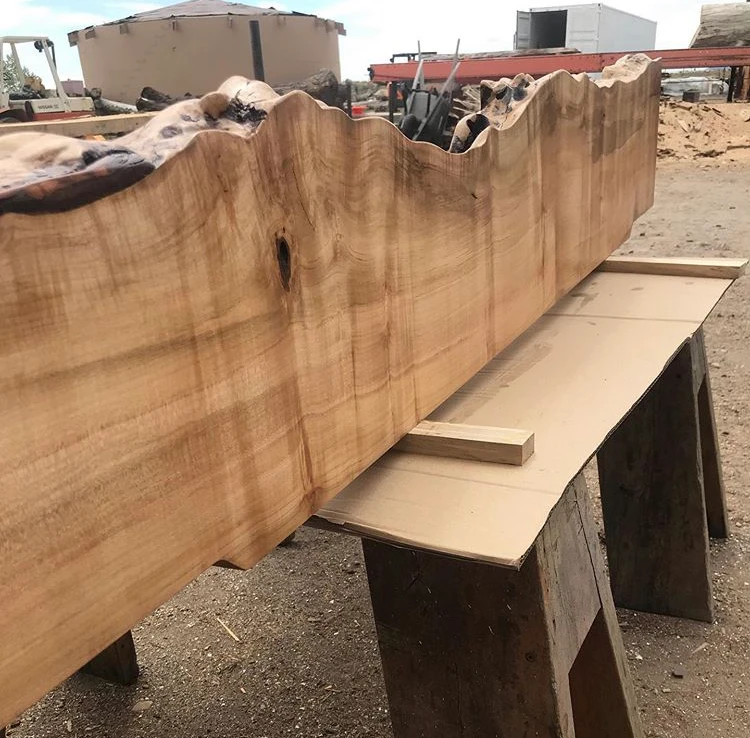
Maple, including silver maple commonly used by Colorado Wood & Metal, delivers a lighter and more contemporary aesthetic. Its subtle grain movement allows the live edge to shine without overpowering the space.
Maple is harder than walnut, making it one of the most durable options for live edge wood dining tables used daily. It resists dents and wear well, which is ideal for families and frequent entertaining.
Why maple works well
- Light tones that brighten kitchens and dining rooms
- Excellent durability for high-use households
- Smooth grain that pairs beautifully with steel bases
Maple is a smart choice for homeowners who want live edge wood dining tables that feel refined, functional, and modern.
Cherry: Warm Tones That Age Beautifully
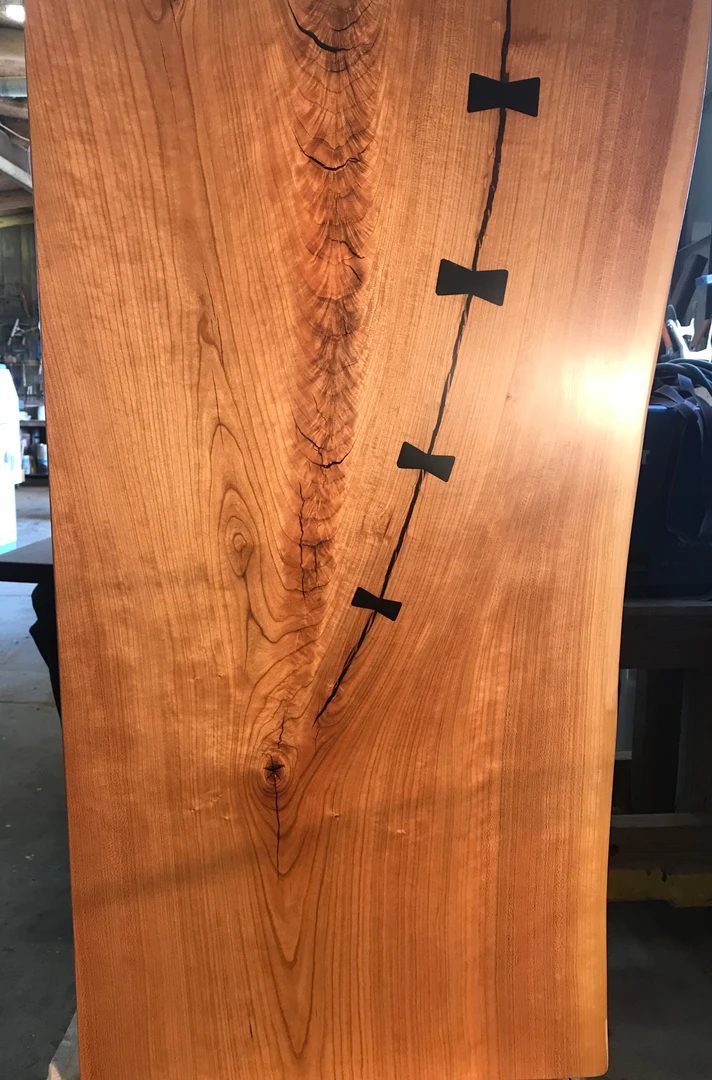
Cherry is known for its warm reddish hues and fine, elegant grain. One of its most unique qualities is how it darkens naturally over time, developing a richer patina with exposure to light.
Cherry is slightly softer than maple but still performs well when properly finished. It is often chosen for live edge wood dining tables where character and warmth are prioritized.
Why cherry stands out
- Warm color that deepens with age
- Smooth, consistent grain for a polished look
- Ideal for transitional and classic interiors
Cherry is perfect for those who want live edge wood dining tables that evolve beautifully over time.
Comparing Walnut, Maple, and Cherry
Each of these species brings something unique to the table.
- Walnut offers bold grain and rich contrast
- Maple provides durability with a clean, bright appearance
- Cherry delivers warmth and natural aging character
All three can be excellent choices for live edge wood dining tables when sourced and fabricated correctly.
Locally Sourced Slabs Make the Difference
Wood species alone does not guarantee quality. How the slab is harvested, dried, and built determines how your table performs long term.
Colorado Wood & Metal mills and kiln dries slabs with Colorado’s climate in mind. This process is critical for live edge wood dining tables that must handle seasonal changes without compromising structure or beauty.
By combining locally sourced wood with custom metal fabrication, each table is built to last and designed to reflect the natural character of the slab.
Choosing the Right Wood for Your Home
The best wood for live edge wood dining tables depends on how you live and how you want your space to feel. Walnut creates drama, maple offers resilience and brightness, and cherry brings warmth that matures over time.
Colorado Wood & Metal guides clients through slab selection so every table feels intentional, functional, and personal. When you invest in live edge wood dining tables, choosing the right species is the foundation of a piece that will be enjoyed for generations.